

Measuring Tools
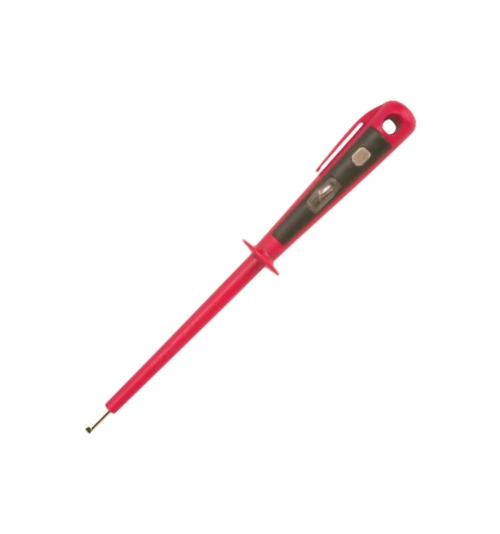
Kennedy Euro Tester - 190mm
With heavy duty one-piece moulded insulation sheaths covering both blade and transparent plastic handle for extra protection and safety. Will detect 'live' electricity supply. Suitable for AC to 125 - 250V. 3mm wide tip. Conforms to DIN VDE 0680 part 6:1977-04.
Download
Produk Lainnya
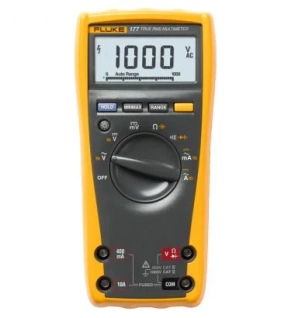
The three models of the new 170 Series are the new benchmark for common multimeters. All three set the standard with their combination of precision, features, ease of use, safety and reliability
Key features
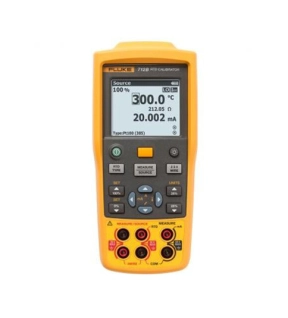
• Highly accurate, full-featured , easy-to-use single function RTD temperature calibrator
• Measures and simulates 13 different RTD types and resistance
• Measures 4 to 20 mA signals while simultaneously sourcing a temperature signal
• Comes with a magnetic hanging tool designed in for convenient hands-free operation
• Features configurable 0% and 100% source settings for quick 25% linearity checks
• Highly accurate, full-featured , easy-to-use single function RTD temperature calibrator
• Measures and simulates 13 different RTD types and resistance
• Measures 4 to 20 mA signals while simultaneously sourcing a temperature signal
• Comes with a magnetic hanging tool designed in for convenient hands-free operation
• Features configurable 0% and 100% source settings for quick 25% linearity checks
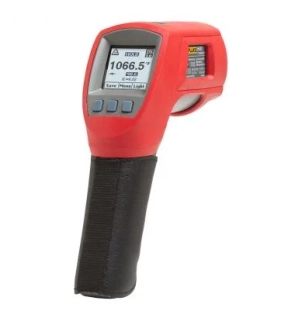
Use the Fluke 568 Ex for intrinsically safe temperature measurements anywhere in the world
The Fluke 568 Ex Intrinsically Safe Infrared Thermometer is certified by major rating bodies for use in Class I Div. 1 and Div. 2 or Zone 1 and 2 hazardous environments anywhere in the world. Whether you work in petroleum, chemical, oil and gas, or pharmaceutical environments, the 568 Ex allows you to carry the most trusted name in test tools into most Ex-rated areas around the globe. The simple, three-button on-screen menu interface is quick to use and makes even complex measurements easy. It takes just a few pushes of a button to adjust emissivity, record data, or turn on and off alarms. The 50:1 distance-to-spot ratio allows you to measure smaller objects from further away. And it also is compatible with K-type probes for contact measurements. Either way, you can count on the rugged, ergonomic design to stand up to tough conditions.
Other useful features:
- Instantly alerts you to measurements outside of set limits with audible and visual alarms
- Provides with 1% measurement accuracy
- Comes with thermocouple K bead probe and two-year warranty -30-
- Features a rugged, easy-to-use, ergonomic design that stands up to tough industrial, electrical, and mechanical environments
- Works with mini-connector K-type thermocouples
- Allows easy access to advanced features with soft-key buttons and graphical display
- Captures up to 99 points of data for quick downloading to a PC through the USB connection
- Powered by two AA batteries
- Allows you to confidently measure a wide variety of surfaces with adjustable emissivity and built-in materials table
- Easily adapts to lighting conditions with a two-level backlight
The Fluke 568 Ex Intrinsically Safe Infrared Thermometer is certified by major rating bodies for use in Class I Div. 1 and Div. 2 or Zone 1 and 2 hazardous environments anywhere in the world. Whether you work in petroleum, chemical, oil and gas, or pharmaceutical environments, the 568 Ex allows you to carry the most trusted name in test tools into most Ex-rated areas around the globe. The simple, three-button on-screen menu interface is quick to use and makes even complex measurements easy. It takes just a few pushes of a button to adjust emissivity, record data, or turn on and off alarms. The 50:1 distance-to-spot ratio allows you to measure smaller objects from further away. And it also is compatible with K-type probes for contact measurements. Either way, you can count on the rugged, ergonomic design to stand up to tough conditions.
Other useful features:
- Instantly alerts you to measurements outside of set limits with audible and visual alarms
- Provides with 1% measurement accuracy
- Comes with thermocouple K bead probe and two-year warranty -30-
- Features a rugged, easy-to-use, ergonomic design that stands up to tough industrial, electrical, and mechanical environments
- Works with mini-connector K-type thermocouples
- Allows easy access to advanced features with soft-key buttons and graphical display
- Captures up to 99 points of data for quick downloading to a PC through the USB connection
- Powered by two AA batteries
- Allows you to confidently measure a wide variety of surfaces with adjustable emissivity and built-in materials table
- Easily adapts to lighting conditions with a two-level backlight
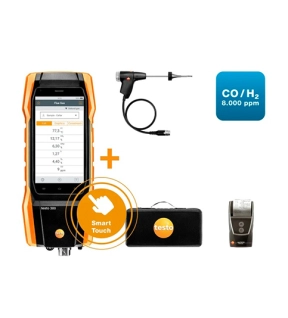
With this kit, you will be equipped for the most important measurements involving heating systems: the TÜV-tested testo 300 flue gas analyzer is supplied with O2 and CO H2-compensated sensor up to 8,000 ppm, basic flue gas probe, Bluetooth® printer, instrument bag and practical accessories.
Your advantages
• Fast and easy to operate: intuitive measurement menus and fast-response Smart-Touch display
• Including O2, CO H2-compensated sensor up to 8,000 ppm
• Large 5-inch HD display – see all the system's measuring values at a glance
• In the kit: testo 300 flue gas analyzer, including O2 and CO H2-compensated sensor up to 8,000 ppm, mains unit, basic flue gas probe, spare dirt filters, Bluetooth® printer, EasyHeat software, instrument bag
Your advantages
• Fast and easy to operate: intuitive measurement menus and fast-response Smart-Touch display
• Including O2, CO H2-compensated sensor up to 8,000 ppm
• Large 5-inch HD display – see all the system's measuring values at a glance
• In the kit: testo 300 flue gas analyzer, including O2 and CO H2-compensated sensor up to 8,000 ppm, mains unit, basic flue gas probe, spare dirt filters, Bluetooth® printer, EasyHeat software, instrument bag