

Measuring Tools
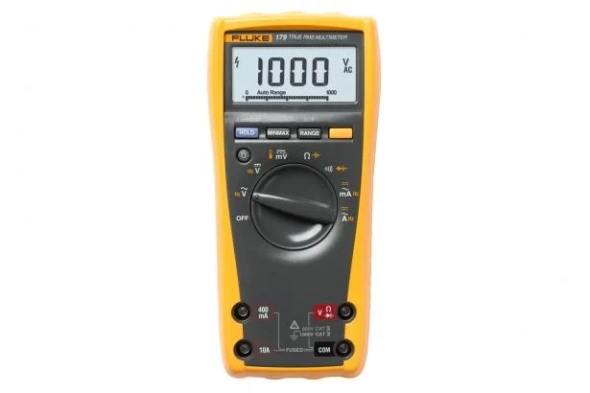
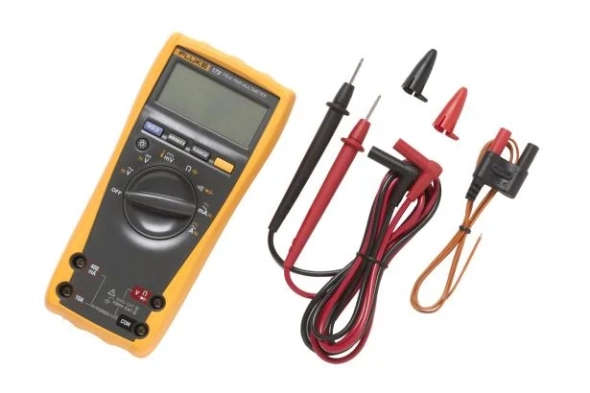
Fluke 179 True-RMS Digital Multimeter
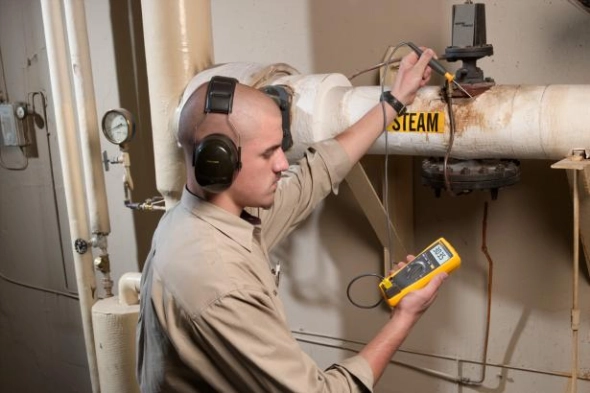
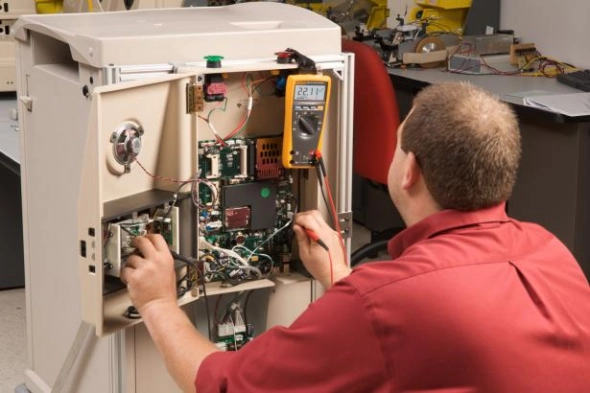
The three models of the new 170 Series are the new benchmark for common multimeters. All three set the standard with their combination of precision, features, ease of use, safety and reliability
Download
Produk Lainnya
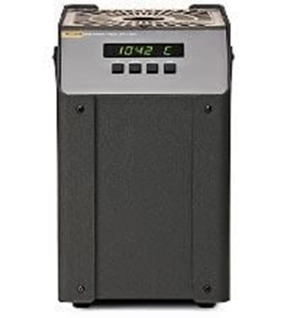
Low cost thermocouple furnace
• Low-cost thermocouple furnace
• NIST-traceable calibration included
• RS-232 port standard
You told us you weren’t satisfied with the competition’s furnaces for checking industrial thermocouples. You said you wanted something new and more convenient to use—and you wanted it at a lower price than any other furnace available. Well, we’ve got what you asked for, and it’s the Model 9150 Thermocouple Furnace.
• Low-cost thermocouple furnace
• NIST-traceable calibration included
• RS-232 port standard
You told us you weren’t satisfied with the competition’s furnaces for checking industrial thermocouples. You said you wanted something new and more convenient to use—and you wanted it at a lower price than any other furnace available. Well, we’ve got what you asked for, and it’s the Model 9150 Thermocouple Furnace.
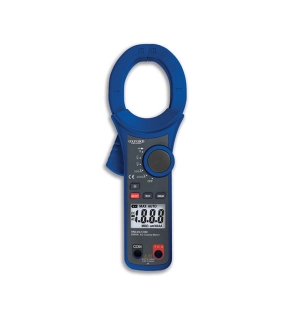
The UT220 is a 1999 count AC&DC digital clamp meter that can ensure stable performance, higher degree of safety and reliability to users. It is designed with over-load protection for all ranges, perfect for all professionals measuring currents up to 2000A.
Notes
• Battery not included
Notes
• Battery not included
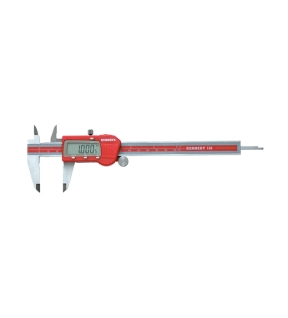
Modern design with a knurled thumb wheel for easy use when taking internal and external depth and step measurements.
Dual readout giving instant inch/metric conversion at the touch of a button.
Zero reset at any point, large clear display, error-free operation, fast response speed. Non-output type.
Resolution: 0.01mm/0.0005".
Extra batteries available - Order Code EDI -904-4000K.
Dual readout giving instant inch/metric conversion at the touch of a button.
Zero reset at any point, large clear display, error-free operation, fast response speed. Non-output type.
Resolution: 0.01mm/0.0005".
Extra batteries available - Order Code EDI -904-4000K.
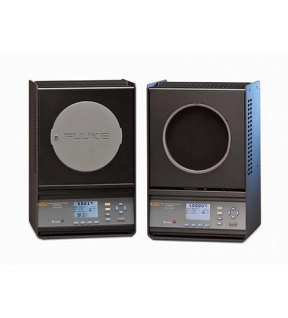
Accuracy and traceability for infrared measurements
Now it’s easy to increase your IR temperature measurement accuracy with the new 4180, 4181 Precision Infrared Calibrators from Fluke Calibration. These infrared temperature calibrators give more consistent, accurate and reliable calibrations because emissivity is radiometrically calibrated, and the target size minimizes size of source effect errors. In addition, these infrared calibrators simplify calibration because they uniquely compensate for errors caused by thermometer emissivity settings.
New accredited performance for point-and-shoot calibrations
• Calibrated radiometrically for meaningful, consistent results.
• Accredited calibration included
• Accurate, reliable performance from –15 °C to 500 °C
• Large target size of 152 mm (6 in) is required for calibrating most thermometers.
• Light instrument weight of 8.6 kg (19 lbs) makes it easy to lift and carry.
• Intuitive, easy-to-read display that indicates when temperature is stable.
Now it’s easy to increase your IR temperature measurement accuracy with the new 4180, 4181 Precision Infrared Calibrators from Fluke Calibration. These infrared temperature calibrators give more consistent, accurate and reliable calibrations because emissivity is radiometrically calibrated, and the target size minimizes size of source effect errors. In addition, these infrared calibrators simplify calibration because they uniquely compensate for errors caused by thermometer emissivity settings.
New accredited performance for point-and-shoot calibrations
• Calibrated radiometrically for meaningful, consistent results.
• Accredited calibration included
• Accurate, reliable performance from –15 °C to 500 °C
• Large target size of 152 mm (6 in) is required for calibrating most thermometers.
• Light instrument weight of 8.6 kg (19 lbs) makes it easy to lift and carry.
• Intuitive, easy-to-read display that indicates when temperature is stable.